"My Vet Said My Dog Is Obese. My Dog Food Bag Says 'Complete and Balanced.' Someone Is Lying."
"My vet said my dog is obese. My dog food bag says 'Complete and Balanced.' Someone is lying."
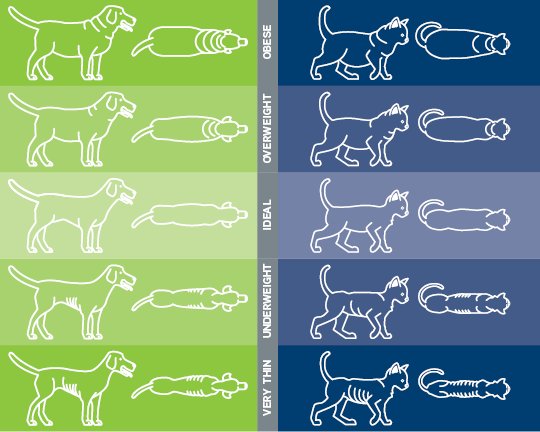
That's what my client Tom said when he walked into my office in Denver last month. He was holding a 40-pound bag of premium kibble and a veterinary report that said his Labrador, Duke, was 15 pounds overweight. Duke was 4 years old. He should have been 75 pounds. He was 90. And Tom was furious.
Not at Duke. Duke was just eating what he was given. Tom was furious at the bag. At the marketing. At the promise that if he bought the right food — the expensive food, the "complete and balanced" food — his dog would be healthy. He had followed the feeding guidelines on the bag. He had measured the cups. He had done everything right. And Duke was still obese.
I'm Ethan. I run PetCalCentral. I'm not a veterinarian — I want to be clear about that — but I have a background in animal nutrition and I've spent the last five years helping pet owners decode the math behind pet food. And I can tell you exactly what happened to Duke. The bag wasn't lying. But it wasn't telling the whole truth either.
The feeding guidelines on pet food bags are based on average dogs. Average activity. Average metabolism. Duke was not average. He was a Labrador — a breed genetically predisposed to obesity. He was neutered, which reduces metabolic rate by 20-30%. He lived in an apartment in Denver with no yard, which meant his daily exercise was a 20-minute walk around the block. And he was getting treats. "Just a few" treats, Tom said. But a few treats on a low-activity neutered Lab adds up fast.
I pulled out a calculator. Duke needed 1,200 calories a day to maintain his ideal weight. The kibble was 380 calories per cup. The bag said to feed 3 cups for a dog Duke's size. That was 1,140 calories. Close enough. But then Tom added the treats. Two dental chews a day: 180 calories. A spoonful of peanut butter for the pill: 95 calories. The occasional table scrap: maybe 100 calories. Total: 1,515 calories. That's 315 calories over Duke's needs. Every day. For months. For years.
Tom stared at the number. "That's... that's why he's fat?"
"That's exactly why he's fat."
The "Complete and Balanced" claim on the bag is technically true. The food meets AAFCO nutrient standards. It has the right protein, fat, vitamins, minerals. But "complete and balanced" refers to nutrient composition, not calorie appropriateness. A food can be nutritionally complete and still have too many calories for a specific dog. It's like saying a salad is healthy — it is — but if you eat three of them, you're still overeating.
We made a plan. Not a diet. I hate that word. We made a feeding plan. Duke's target: 1,000 calories a day for gradual weight loss. Two cups of kibble: 760 calories. One dental chew: 90 calories. One small training treat: 15 calories. A carrot for the pill: 25 calories. Total: 890. A deficit of 110 calories a day. That's roughly 1 pound of weight loss every 5 weeks. Safe. Sustainable. Not dramatic.
Tom was skeptical. "That's it? Just count calories?"
"That's it. Just count calories. And measure by weight, not by cup. Because a 'cup' of kibble is not a standardized unit. It's a volume measure. And volume measures lie. A packed cup is 20% more than a loose cup. That's 76 extra calories. Every day. That's why Duke is fat."
Tom bought a kitchen scale. He started weighing Duke's food in grams. 190 grams of kibble. 22 grams of dental chew. 5 grams of training treat. He stopped the peanut butter. He switched to carrots. And he started walking Duke for 40 minutes instead of 20. Not running. Not hiking. Just walking. An extra 100 calories burned a day.
Three months later, Duke was down to 83 pounds. Still 8 pounds over ideal, but moving in the right direction. Tom called me, excited. "The vet said he's doing great. She said his joints look better. He's moving easier." I wasn't surprised. Losing 7 pounds on a Lab is like losing 15 pounds on a human. It makes a difference. It changes everything.
Here's what I want you to understand. "Complete and Balanced" is not a promise of weight management. It's a promise of nutrient adequacy. Your dog can be obese and still nutrient-adequate. Your dog can be starving and still nutrient-adequate. The bag doesn't know your dog's activity level. It doesn't know your dog's metabolism. It doesn't know about the treats. Only you know that. And only you can do the math.
If your vet says your dog is overweight, don't blame the bag. Don't blame the food. The food is probably fine. Blame the portions. Blame the treats. Blame the measuring cup that you've been eyeballing for two years. And then fix it. Weigh the food. Count the calories. Add exercise. It's not complicated. It's just math. And the math works.
— Ethan, from an office in Denver where the kitchen scales are for dogs, not baking